
Why Smart Locks Feel Less Optional Now
The search for the top smart locks for home security has changed a lot in the last few years. It is no longer just about opening the door with your phone. A good smart lock now has to balance convenience, physical strength, battery life, privacy, and everyday reliability. That last part matters more than people expect. A lock can have beautiful features, but if it hesitates on a rainy night while your hands are full, the shine wears off quickly.
Smart locks have also become more practical. Many now include keypads, fingerprint readers, temporary guest codes, auto-locking, and remote access. Some blend into the door so quietly that they look like ordinary deadbolts. Others add cameras, doorbells, or advanced app controls. Recent 2026 testing roundups from Forbes Vetted and Tom’s Guide show how wide the category has become, with different locks standing out for different homes rather than one perfect model for everyone.
What Makes a Smart Lock Secure
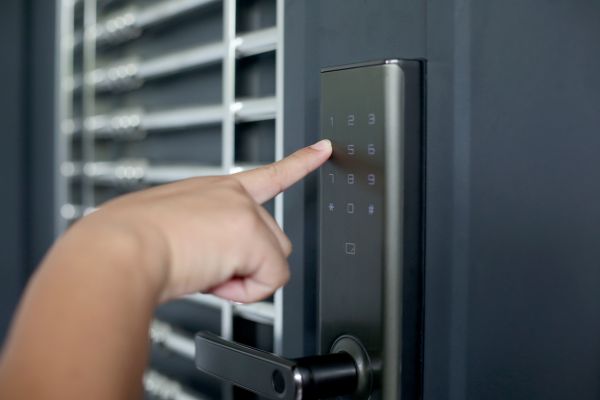
A smart lock should start with the basics: a strong deadbolt, solid build quality, and dependable access methods. The “smart” part should support the lock, not distract from it. Look for models with trusted security ratings, encrypted connections, low-battery alerts, and a backup way to enter if your phone dies.
The best locks also let you manage access without handing out spare keys. A temporary PIN for a cleaner, pet sitter, guest, or family member is far easier to revoke than a physical key. Activity logs can also be useful, especially for busy households where people come and go throughout the day. Still, these features should be used with care. Strong passwords, two-factor authentication, and regular app updates matter more than most people think.
Yale Assure Lock 2 for Everyday Balance
The Yale Assure Lock 2 remains one of the most sensible choices for many homes because it feels familiar while offering modern control. It is available in versions with a keypad, fingerprint access, Wi-Fi, Bluetooth, and smart home compatibility, depending on the model. That flexibility makes it easier to choose what actually fits your door and routine.
What works well here is the balance. It is not trying to be the flashiest lock on the market. Instead, it gives most households the features they will actually use: PIN access, app control, auto-locking, and guest codes. For families, rental hosts, or anyone tired of spare keys under flowerpots, that is a meaningful upgrade.
Schlage Encode Plus for Strong Build Quality
Schlage has a long reputation in traditional door hardware, and the Encode Plus brings that weight into the smart lock space. It is especially appealing for people who want a smart lock that still feels like a serious deadbolt first. It supports built-in Wi-Fi, keypad entry, and Apple Home Key, which lets compatible iPhone and Apple Watch users unlock with a tap.
This is a good fit for Apple-focused homes, but its broader appeal is build confidence. It has a sturdy feel, and that matters. A front-door lock is not the place where you want something that feels delicate or experimental. If you prefer a lock that looks conventional and behaves predictably, Schlage is one of the safer names to consider.
Level Lock Pro for a Hidden Smart Look
Some smart locks look like gadgets bolted onto a door. Level takes the opposite approach. The Level Lock Pro is designed to keep the smart parts hidden inside the door, so the outside still looks clean and traditional. According to Forbes Vetted’s 2026 testing, Level Lock Pro stood out as a top overall pick because of that discreet design and strong feature set.
This style is ideal for people who want smart access without changing the look of their entryway. It can be especially nice on older homes, stylish doors, or places where a large keypad would feel out of place. The tradeoff is that users who love visible keypads and obvious controls may prefer a more traditional smart lock design.
Eufy Video Smart Lock S330 for Extra Awareness
The Eufy Video Smart Lock S330 is for people who want more than a lock. It combines smart locking with a built-in camera and video doorbell features, giving homeowners a clearer picture of who is at the door. That can be useful for deliveries, unexpected visitors, or simply checking the entrance while away.
This type of lock makes the most sense when the front door is a main point of activity. It may be more than a quiet side entrance needs, but for a busy household, the combined camera and lock setup can reduce the number of separate devices on the doorframe. The important thing is to think about privacy settings, storage options, and notification habits before installing any camera-based lock.
August Wi-Fi Smart Lock for Renters and Retrofit Doors
Not everyone wants to replace the entire deadbolt. The August Wi-Fi Smart Lock is popular because it fits over the inside of many existing deadbolts, letting users keep the exterior keyhole. That makes it attractive for renters, apartment dwellers, or anyone who wants smart features without changing the outside appearance of the door.
Its strongest feature is convenience. Auto-unlock, remote access, and guest permissions can make daily life easier. But retrofit locks depend heavily on proper installation and door alignment. If your deadbolt already sticks or needs a shoulder push to close, fix that before adding smart hardware. Smart locks are clever, but they are not magic.
Aqara Smart Locks for Smart Home Integration
Aqara has become more visible in the smart home world, especially for users who care about Apple Home, Matter, and connected devices. Models such as the Aqara U100 and newer Matter-friendly options appeal to people building a wider smart home setup, not just replacing a lock.
The bigger conversation here is compatibility. Matter continues to grow as a smart home standard, though real-world support can still feel uneven. A recent report from The Verge noted that Matter has made progress but still faces adoption and platform consistency challenges. In plain English, do not buy a lock only because the box says it supports a standard. Check whether it works well with the phone, speaker, hub, and app you already use.
Fingerprint Locks and the Convenience Question
Fingerprint smart locks are tempting because they feel quick and personal. For many people, they are genuinely useful. No keys, no phone, no code to remember. Just touch and enter. But fingerprint readers are not perfect in every condition. Wet hands, dry skin, dirt, cold weather, or worn fingerprints can sometimes cause failed reads.
That does not make fingerprint locks bad. It simply means they should come with backups. A keypad, app access, physical key, or emergency power option can save a lot of frustration. The best smart locks treat convenience as layered access, not a single point of failure.
Choosing the Right Smart Lock for Your Home
The right choice depends on your door, your household, and your tolerance for tech. A busy family may care most about PIN codes and auto-locking. A frequent traveler may want remote access and activity history. A renter may need a retrofit model. Someone deeply invested in Apple Home may prefer Home Key support, while another person may care more about fingerprint access or built-in video.
Before buying, measure your door, check deadbolt compatibility, and think honestly about your habits. If you already forget to charge devices, choose a lock with strong battery alerts and a physical backup key. If your Wi-Fi is weak near the front door, a Wi-Fi lock may become annoying. If you share access often, make sure the app makes code management simple.
Final Thoughts on Smart Lock Security
The top smart locks for home security in 2026 are not just about looking modern. They are about making entry safer, cleaner, and easier to manage without turning your front door into a complicated project. Yale offers balance, Schlage brings sturdy confidence, Level keeps things discreet, Eufy adds visibility, August helps with retrofit installs, and Aqara makes sense for connected smart homes.
The best lock is the one that fits quietly into your life. It should open when you need it, lock when you forget, and give access only to the people you trust. That sounds simple, but for home security, simple and dependable is usually exactly right.
