
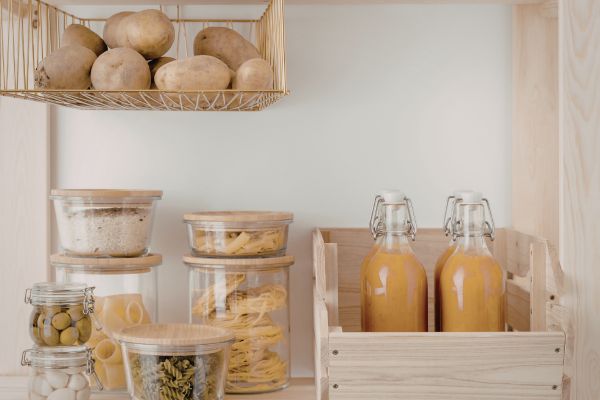
A well-organized pantry has a quiet way of changing how a home feels. It is not only about neat rows of jars or matching labels, although those can be lovely. It is about opening the door and knowing exactly what you have, what you need, and what can become dinner without digging through half-empty bags of rice, forgotten spice packets, or three open boxes of pasta.
Learning how to organize your pantry is less about perfection and more about creating a system that works on ordinary days. The kind of system that survives rushed mornings, late-night snacks, grocery hauls, and the occasional “I thought we had flour” moment. A pantry should make cooking easier, reduce waste, and bring a little calm to one of the busiest corners of the home.
Start by Taking Everything Out
The first real step is also the one most people want to avoid: empty the pantry completely. It may feel like making a bigger mess before making things better, but it gives you a clear view of what is actually hiding in there. Pantry shelves have a way of swallowing small items. A jar of lentils moves behind a cereal box. A packet of soup mix slides under a basket. Suddenly, you are buying duplicates because you cannot see what you already own.
Lay everything out on a table, counter, or even the floor if space is limited. Group similar items loosely as you go. Baking ingredients in one area, breakfast foods in another, canned goods together, snacks in their own little pile. This part can be surprisingly revealing. You may find expired sauces, stale crackers, or ingredients you bought for one recipe and never used again.
Once the shelves are empty, wipe them down properly. Crumbs, flour dust, sticky syrup rings, and spice spills tend to collect in corners. A clean shelf makes the whole process feel fresh, and it also helps you spot any issues like torn packaging or pests before putting food back.
Check Dates and Be Honest About What You Use
Before anything returns to the pantry, check expiration dates and condition. Some items are easy decisions. If something smells odd, looks stale, has damaged packaging, or is far past its best, let it go. Other items require a little honesty. Maybe that specialty grain looked exciting in the shop, but it has been sitting untouched for two years. Maybe you bought six cans of something your family no longer eats.
A professional-looking pantry is not built by keeping everything. It is built by keeping what is useful. If unopened, in-date food is still good but unlikely to be eaten in your home, consider donating it where appropriate. The goal is not to create empty shelves for the sake of minimalism. The goal is to give space to the foods that genuinely support your daily routine.
This is also a good time to note what you tend to overbuy. If you find four bags of sugar or several half-used boxes of spaghetti, that tells you your current pantry system is not showing you what you have. Organization should solve that problem, not just make the shelves look nicer for a week.
Create Zones That Match How You Cook
The secret to learning how to organize your pantry in a lasting way is to arrange it around real life. Think about how you cook, snack, bake, and shop. A pantry should not be organized according to someone else’s photo online. It should reflect your habits.
Create zones based on categories that make sense in your home. Baking items might live together because flour, sugar, baking powder, cocoa, and vanilla are usually used at the same time. Breakfast foods may need their own area, especially if mornings are busy. Canned vegetables, soups, sauces, grains, oils, spices, tea, coffee, and snacks can each have a defined place.
The beauty of zones is that they make decisions easier. When everything has a natural home, you do not have to think too much when unloading groceries. You also avoid the slow drift that happens when items are placed wherever there is space. A few simple categories can bring order without turning pantry maintenance into a full-time job.
Use Clear Containers Where They Actually Help
Clear containers are popular for a reason. They make it easier to see how much food you have, protect dry goods from spills, and reduce the clutter of mismatched packaging. Pasta, rice, oats, flour, sugar, cereal, lentils, beans, and nuts often work well in airtight containers.
Still, it is worth being practical. You do not need to decant every single item just because it looks polished. Some foods are fine in their original packaging, especially if they are used quickly or come with important cooking instructions. The best pantry systems balance beauty with convenience. If transferring food into containers feels like a chore you will not keep up with, use them only for staples that truly benefit from it.
Clear bins can also be useful for smaller packaged items. Instead of loose snack bars, seasoning packets, tea bags, or small baking decorations scattering across shelves, place them in open containers or baskets. This keeps them visible and contained, which is often more useful than making everything identical.
Put Everyday Items at Eye Level
The easiest pantry to use is one that respects frequency. Items you reach for every day should be the easiest to grab. That usually means eye-level shelves or the front of lower shelves. Breakfast foods, cooking oils, common spices, rice, flour, coffee, tea, or lunchbox snacks might belong in this prime space, depending on your household.
Less frequently used items can sit higher or lower. Holiday baking supplies, extra stock, bulk purchases, and specialty ingredients do not need the most convenient spots. Heavy items, such as large bags of flour, drink bottles, or big containers of rice, are safer and easier to manage on lower shelves.
This simple adjustment can make a pantry feel instantly more functional. You stop moving five things to reach one thing. You stop forgetting what is tucked behind the daily essentials. Everything starts to flow more naturally.
Make Labels Simple and Useful
Labels can be charming, but their real purpose is clarity. A good label tells everyone in the home where something belongs. It also helps prevent mystery containers from becoming part of the pantry landscape. If you use clear jars or bins, label them in plain language: rice, oats, pasta, flour, snacks, baking, canned beans.
There is no need for overly fancy wording. In fact, simple labels work better because they are easy for everyone to understand. If children use the pantry, clear labels can help them put things back correctly. If multiple people cook, labels reduce the “where does this go?” problem.
For containers with ingredients that look similar, labels are especially important. Flour, powdered sugar, cornstarch, and baking powder are not things you want to confuse. You may also want to include cooking times or expiration dates on the back or bottom of containers if you remove items from their original packaging.
Use the Back of the Pantry Door
The back of the pantry door is often wasted space. If your pantry has a door, it can be useful for lightweight items. A door rack or narrow organizer can hold spices, small jars, foil, parchment paper, wraps, seasoning packets, or snack pouches.
The key is not to overload it. Door storage works best for slim, lighter items that will not fall every time the door opens. It can free up shelf space and make smaller ingredients easier to find. In narrow pantries, this extra layer of storage can make a surprisingly big difference.
If you rent or do not want to install anything permanent, over-the-door organizers are a simple option. Even a few hooks or removable storage pockets can help, as long as they are sturdy enough for the items you plan to store.
Keep Snacks Contained Without Making Them Hard to Reach
Snacks can be one of the biggest pantry troublemakers. Boxes get opened, packets fall out, bags are clipped badly, and suddenly one shelf looks chaotic again. The solution is not necessarily hiding snacks away. It is giving them a contained home.
A basket or bin for snacks keeps everything in one place. For families, this can also make it easier to manage portions and choices. You might keep everyday snacks in one container and extra stock in another area. That way, the open items get used first, and the pantry does not become a pile of half-finished packages.
For children, a lower snack zone can work well if you want them to access approved foods independently. For households trying to reduce mindless snacking, placing treats slightly higher or behind everyday staples may be better. Again, the best system is the one that matches your life, not someone else’s pantry rules.
Arrange by Visibility, Not Just Category
Grouping by category matters, but visibility matters just as much. A pantry can be technically organized and still frustrating if items disappear behind each other. Try to avoid deep stacks where possible. Place taller items in the back and shorter items in the front so everything can be seen at a glance.
Tiered shelves can help with cans and spices. Lazy Susans work well for oils, sauces, vinegars, and small jars that tend to get lost in corners. Pull-out bins are useful for deep shelves because you can slide the whole container forward instead of reaching blindly into the back.
Think of your pantry like a small grocery shelf. If you can see it, you are more likely to use it. If you cannot see it, it may as well not exist until the next clean-out.
Store Like With Like After Grocery Shopping
A pantry can look beautiful right after organizing and slowly fall apart after the next few grocery trips. The real test is whether the system is easy to maintain. When you bring groceries home, put items directly into their zones. New cans go with canned goods. New pasta goes behind older pasta. Fresh snacks go behind already-opened snacks.
This “first in, first out” approach helps reduce waste. Older food gets used before newer food, and you avoid discovering expired items months later. It does not have to be rigid. Just make a habit of placing newer products toward the back and older ones toward the front.
If you buy in bulk, keep only what you need in the main pantry and store extra stock separately if possible. Too much overflow can make even a well-designed pantry feel crowded.
Give Yourself a Small Reset Routine
Pantry organization is not a one-time project. It works best with small resets. Once a week, take a few minutes to straighten shelves, close open packets, check what is running low, and move older items forward. This quick habit prevents the need for another huge clean-out later.
A slightly longer reset once a month can help too. Look for expired items, wipe small spills, review what you have before grocery shopping, and adjust zones if something is not working. Sometimes a pantry needs small changes as seasons shift or routines change. Summer snacks, school lunches, holiday baking, or new eating habits can all affect how food storage should be arranged.
The point is not to keep your pantry photo-ready every day. Real homes are lived in. The goal is to make it easy to return the pantry to order without frustration.
Let the Pantry Reflect Your Home
A professional pantry is not always a huge walk-in space with matching jars from top to bottom. Sometimes it is one cabinet, one shelf, or a narrow cupboard beside the fridge. Size matters less than intention. When every item has a place, even a small pantry can feel generous.
Do not compare your pantry to staged images. Those spaces often show only a tiny slice of real life. Your pantry may need room for budget staples, children’s snacks, cultural ingredients, bulk rice, spice blends, tea tins, or quick weeknight meal helpers. That is not clutter if it is used and organized. It is simply your household’s rhythm showing up on the shelves.
Learning how to organize your pantry like a pro means building a system that feels natural when life is busy. It should help you cook with less stress, shop with more confidence, and waste less food. It should also be flexible enough to change when your needs change.
Conclusion
An organized pantry is one of those home improvements that pays you back almost every day. It saves time when you are cooking, makes grocery shopping easier, and brings a sense of calm to a space that can quickly become messy. The process begins with clearing everything out, keeping only what is useful, creating practical zones, and making sure the foods you use most are easy to see and reach.
The real secret is not perfection. It is maintenance, visibility, and honesty about how your home actually works. Once your pantry supports your daily habits instead of fighting them, it becomes more than a storage area. It becomes a quiet little helper in the background of everyday life.
