
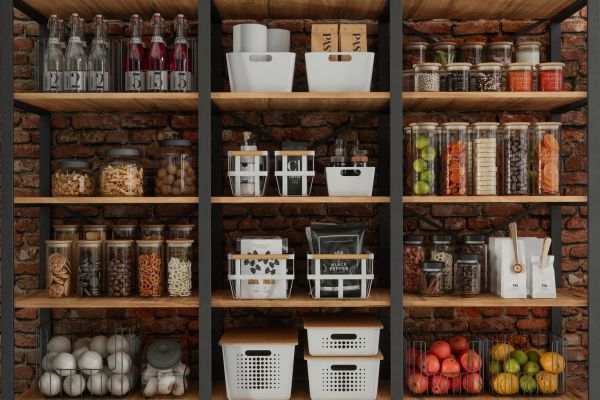
There is something oddly satisfying about opening a pantry and immediately finding what you need. No avalanche of snack boxes falling from the top shelf, no expired pasta hidden behind jars of sauce, no mystery packets shoved into corners years ago and forgotten. A well-organized pantry does more than look neat. It changes the rhythm of the kitchen itself.
Cooking becomes easier when ingredients are visible. Grocery shopping feels less chaotic when you already know what you have at home. Even busy weeknights seem a little calmer when the pantry works with you instead of against you.
Still, pantry organization has a reputation for becoming overly complicated. Perfectly labeled glass jars, color-coded baskets, and magazine-worthy shelving can make the process feel intimidating. In reality, most people simply want a pantry that functions better, not one that looks like a showroom.
That is where a practical kitchen pantry organization guide becomes useful. The goal is not perfection. It is creating a space that supports daily life, reduces waste, and makes cooking feel less stressful and more enjoyable.
Interestingly, the best pantry systems are often the simplest ones — the kind that quietly stay organized because they actually fit the habits of the people using them.
Understanding Why Pantries Become Disorganized
Pantries rarely become messy overnight. Clutter builds gradually through rushed grocery trips, half-used ingredients, bulk purchases, and busy schedules. Over time, shelves become crowded with duplicate items, forgotten cans, and products pushed farther into the back with every shopping trip.
One reason pantry chaos happens so easily is because most kitchen storage spaces were not designed around modern shopping habits. People buy in bulk more frequently now. Specialty ingredients accumulate quickly. Snacks, baking supplies, and convenience foods all compete for limited space.
There is also the reality of everyday exhaustion. After unpacking groceries, many people simply place items wherever there is room rather than maintaining a system consistently.
A pantry does not need to be huge to feel functional. What matters more is visibility and accessibility. When items are easy to see and easy to reach, organization naturally becomes easier to maintain.
Starting With a Full Pantry Reset
The most effective way to organize a pantry is usually to begin by taking everything out completely. It sounds dramatic at first, but it quickly reveals what is actually being stored inside.
Suddenly, duplicates become obvious. Expired products appear from forgotten corners. Ingredients that seemed essential months ago no longer make sense sitting on the shelf.
This process is less about creating extra work and more about resetting the space intentionally. A pantry cannot function efficiently if it is organized around clutter.
As items are removed, grouping similar products together helps create a clearer picture of how the pantry is currently being used. Snacks with snacks. Baking supplies with baking supplies. Canned goods together. Pasta and grains in another section.
Even before shelves are reorganized, these categories begin shaping a more practical storage system.
Creating Pantry Zones That Reflect Real Life
One mistake people often make is organizing pantries according to unrealistic ideals rather than actual habits. A system only works if it feels intuitive during everyday use.
For example, families with children may benefit from lower snack zones that kids can access independently. Frequent bakers may need an entire section dedicated to flour, sugar, vanilla extract, and mixing supplies. Coffee drinkers often create small breakfast or beverage areas for convenience.
The most functional kitchen pantry organization guide focuses on flow rather than appearance alone.
Daily-use items should stay at eye level whenever possible. Heavy appliances or bulk ingredients belong on lower shelves where lifting feels easier and safer. Rarely used holiday supplies can move higher up without disrupting everyday access.
This zoning approach creates a pantry that mirrors how people naturally move through the kitchen. Over time, that alignment reduces clutter because items return more naturally to their designated spaces.
The Quiet Power of Clear Containers
Few pantry changes make a bigger difference than switching certain foods into clear storage containers.
Rice, pasta, cereal, flour, sugar, and snacks often become easier to manage when transferred out of bulky packaging. Clear containers improve visibility instantly. Instead of opening multiple boxes or bags to check quantities, you can see what is running low at a glance.
There is also something psychologically calming about visual simplicity. Uniform containers reduce the sense of visual clutter that crowded packaging can create.
That said, not everything needs to be decanted into matching jars. Some people enjoy the aesthetic aspect, while others prefer a more practical approach. The goal is usefulness, not creating extra work.
Sometimes a few well-placed storage bins or baskets make a bigger difference than an elaborate container system.
Labels That Actually Help
Labels can be surprisingly helpful when used thoughtfully. They create consistency and reduce the small daily decisions that contribute to clutter.
In shared households especially, labels make it easier for everyone to return items to the correct place. Snacks stay together. Breakfast items remain organized. Baking ingredients stop drifting randomly across shelves.
The best labels tend to be simple and readable rather than decorative. Overly specific categories often become frustrating to maintain because shopping habits naturally change over time.
Flexibility matters more than perfection.
Some households prefer broad labels like “grains,” “snacks,” or “spices,” while others organize more specifically based on dietary preferences or cooking routines. There is no universal formula because every kitchen functions differently.
Managing Expiration Dates Without Stress
One of the most frustrating pantry problems is discovering expired food long after it should have been used.
A simple rotation system helps prevent this. New groceries move toward the back while older products stay near the front. Restaurants have used this principle for years because it naturally reduces waste.
Visibility also matters. Deep shelves can easily hide forgotten items, especially canned goods and packaged snacks. Tiered shelf organizers or shallow bins help bring products into view rather than burying them behind one another.
Still, perfection is unrealistic. Most people occasionally forget a jar or overlook an expiration date. Pantry organization is not about creating flawless systems. It is about reducing friction and making food storage feel more manageable overall.
Small Pantry Spaces Can Still Work Beautifully
Not every home has a walk-in pantry with endless shelving. Many kitchens rely on narrow cabinets, awkward corners, or limited storage space. Yet smaller pantries can still feel surprisingly functional when organized thoughtfully.
Vertical storage becomes especially important in compact kitchens. Stackable bins, shelf risers, and door-mounted racks help maximize limited space without creating overcrowding.
In small pantries, prioritization matters too. Keeping only frequently used ingredients accessible prevents shelves from becoming overwhelmed by rarely touched products.
There is also a certain advantage to smaller spaces. Limited storage naturally encourages more intentional shopping and reduces the tendency to overbuy unnecessary items.
Oddly enough, some compact pantries remain more organized long-term precisely because there is less room for clutter to accumulate unnoticed.
Seasonal Adjustments Keep the Pantry Functional
Pantries are not static spaces. The foods people use often shift throughout the year.
Winter shelves may hold baking supplies, soup ingredients, and holiday items. Summer brings grilling spices, lighter snacks, and seasonal produce storage. School schedules, family routines, and changing diets all influence how pantry space gets used over time.
A pantry that stays organized usually adapts gradually with those changes rather than remaining rigid.
Small seasonal resets every few months can prevent clutter from quietly building again. These refreshes do not need to be dramatic. Sometimes simply wiping shelves, checking expiration dates, and regrouping categories restores order surprisingly quickly.
The Emotional Side of Kitchen Organization
Pantry organization is often treated like a purely practical task, but it has an emotional dimension too.
Cluttered kitchens can create low-level stress without people fully realizing it. Searching for ingredients during meal preparation, discovering expired products unexpectedly, or feeling overwhelmed by crowded shelves can subtly affect daily routines.
On the other hand, organized spaces tend to create a sense of calm and predictability. Cooking feels easier when the environment supports the process rather than complicating it.
There is also comfort in knowing what you already have available. A functional pantry reduces unnecessary shopping trips and makes meal planning feel less chaotic during busy weeks.
Sometimes organization is not really about storage at all. It is about reducing mental noise in spaces people use every day.
Building Habits That Keep the Pantry Organized
The hardest part of pantry organization is usually not the initial setup. It is maintaining the system over time.
Fortunately, maintenance becomes easier when the system matches real habits. Small routines help prevent clutter from returning too quickly.
Putting groceries away intentionally instead of rushing. Returning items to their zones after cooking. Checking pantry supplies before shopping. Taking five minutes occasionally to straighten shelves.
These habits sound minor, yet they create long-term consistency more effectively than massive organizing overhauls done once a year.
A pantry does not need to remain perfectly styled every day. Real kitchens are active spaces, and some mess is inevitable. The goal is simply creating a system that is easy enough to reset regularly without frustration.
Conclusion
A well-organized pantry changes more than storage space. It changes how the kitchen feels. Cooking becomes smoother, grocery shopping becomes more intentional, and everyday routines carry a little less stress.
The best kitchen pantry organization guide is not built around perfection or visual trends. It is built around practicality, flexibility, and understanding how people actually live. Clear zones, thoughtful storage, realistic systems, and small maintenance habits often make the biggest difference over time.
Pantry organization is ultimately less about creating flawless shelves and more about creating ease. A functional pantry supports the rhythm of daily life quietly in the background, making ordinary moments in the kitchen feel simpler and more manageable.
And honestly, there is something deeply satisfying about opening a pantry door and knowing exactly where everything is.
