
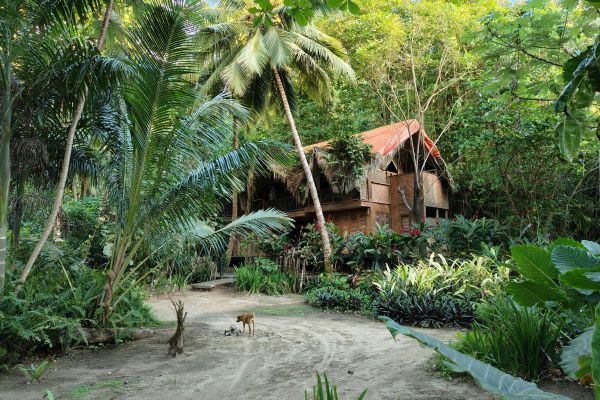
There’s something quietly powerful about stepping into a garden that feels alive in the truest sense—where the soil is rich, the plants seem at ease, and the whole space hums with a kind of natural balance. More and more homeowners are beginning to realize that creating a beautiful yard doesn’t have to come at the environment’s expense. In fact, the opposite is often true.
These eco-friendly landscaping tips aren’t about perfection or rigid rules. They’re about working with nature instead of constantly trying to control it. When you shift your mindset just a little, your outdoor space becomes easier to maintain, more resilient, and far more rewarding.
Rethinking the Purpose of Your Yard
A traditional lawn often demands a surprising amount of water, fertilizer, and upkeep. But when you pause and ask what your yard is really for, things start to change. Is it a place to relax? Grow food? Support wildlife? All of the above?
Eco-friendly landscaping begins with intention. Instead of designing purely for appearance, you start thinking about function and sustainability. That doesn’t mean sacrificing beauty—it just means letting beauty emerge from healthier choices.
Sometimes this shift happens slowly. A patch of grass becomes a flower bed. A corner turns into a herb garden. Over time, the yard starts to feel less like something you manage and more like something you participate in.
Choosing Native and Climate-Adapted Plants
One of the most effective eco-friendly landscaping tips is surprisingly simple: grow plants that actually belong where you live. Native and climate-adapted plants are naturally suited to local weather patterns, soil conditions, and pests.
Because of this, they typically require less water, fewer chemical treatments, and less overall attention. They also tend to support local pollinators—bees, butterflies, and birds that rely on familiar plant species.
There’s also a subtle aesthetic advantage. Native plants often look more “at home,” blending into the environment rather than standing out awkwardly. The result is a garden that feels grounded and authentic rather than overly styled.
Letting the Soil Do the Work
Healthy landscaping starts underground. Soil isn’t just dirt—it’s a living system filled with microorganisms that help plants thrive. When you nurture the soil, everything above it becomes stronger and more resilient.
Adding organic matter like compost is one of the easiest ways to improve soil health. It enriches the structure, helps retain moisture, and slowly releases nutrients. Over time, you’ll notice that plants grow more vigorously without the need for synthetic fertilizers.
It’s tempting to reach for quick fixes when plants struggle, but soil-focused care tends to pay off more in the long run. Once the foundation is right, the rest becomes surprisingly manageable.
Reducing Water Waste Without Sacrificing Growth
Water is often the biggest concern in landscaping, especially in areas where rainfall is unpredictable. The good news is that eco-friendly landscaping tips naturally lean toward smarter water use.
Mulching, for instance, can dramatically reduce evaporation. A layer of organic mulch keeps soil cool and moist while also suppressing weeds. It’s one of those simple habits that quietly transforms the health of a garden.
Then there’s the idea of watering less frequently but more deeply. Shallow watering encourages weak root systems, while deeper watering helps plants develop resilience. It may feel counterintuitive at first, but plants quickly adapt—and often thrive.
Rainwater harvesting is another thoughtful addition. Even a basic system can reduce reliance on treated water while giving plants a more natural source to draw from.
Designing With Natural Flow in Mind
A well-designed yard doesn’t fight the landscape—it follows it. Paying attention to how water moves, where sunlight falls, and how wind passes through your space can guide smarter design choices.
Low areas, for example, can be turned into rain gardens that absorb runoff and prevent erosion. Sloped spaces can be stabilized with deep-rooted plants that hold soil in place.
When you start designing with these natural patterns instead of against them, maintenance becomes easier. The landscape begins to regulate itself, at least to some degree, which is really the goal.
Encouraging Biodiversity in Small Ways
It’s easy to think of landscaping as purely visual, but it’s also ecological. A diverse yard supports a wider range of life, which in turn helps keep the system balanced.
Planting a mix of species—rather than relying on a single type of grass or flower—creates more opportunities for insects and animals. Some plants attract pollinators, others provide shelter, and a few might even improve soil quality.
Even small touches can make a difference. A shallow water source, a cluster of native flowers, or a slightly untamed corner can invite life back into your yard.
And there’s something deeply satisfying about that. Watching bees drift from flower to flower or hearing birds settle in the trees adds a richness that no decorative feature can replicate.
Minimizing Chemical Use
One of the more practical eco-friendly landscaping tips is reducing reliance on chemical fertilizers, herbicides, and pesticides. While these products can offer quick results, they often disrupt the natural balance of the ecosystem.
Healthier soil and diverse planting usually reduce the need for intervention in the first place. When pests do appear, they’re often part of a larger cycle. Introducing beneficial insects or simply allowing nature to take its course can sometimes be enough.
It’s not about ignoring problems—it’s about responding thoughtfully instead of automatically reaching for a chemical solution.
Repurposing Materials for a Sustainable Touch
Landscaping doesn’t have to rely on brand-new materials. Reclaimed wood, recycled stone, and repurposed containers can all find a place in an eco-conscious yard.
Using what’s already available reduces waste and often adds character. A weathered wooden bench or a path made from salvaged bricks tells a story that polished, store-bought items simply can’t.
There’s also a practical side to this approach. Repurposed materials are often more affordable, making sustainable choices accessible rather than exclusive.
Embracing Seasonal Changes Instead of Fighting Them
A truly eco-friendly yard doesn’t look the same all year—and that’s part of its charm. Instead of trying to maintain a constant appearance, it’s worth embracing the natural rhythm of the seasons.
In spring, growth feels energetic and hopeful. Summer brings fullness and color. Autumn introduces texture and subtle shifts, while winter offers a quieter, more reflective landscape.
Allowing these changes to happen reduces the need for constant intervention. It also creates a deeper connection to the space, as you begin to notice the smaller transitions that often go overlooked.
Creating Spaces That Invite You Outside
At the heart of all these eco-friendly landscaping tips is a simple idea: your yard should be a place you actually want to spend time in.
Whether it’s a shaded corner with a chair, a small garden path, or a patch of herbs near the kitchen door, these human touches matter. They transform the yard from something you maintain into something you experience.
And when you spend more time in your outdoor space, you naturally become more aware of it. You notice when the soil feels dry, when a plant needs attention, or when something new starts to bloom. That awareness leads to better care—and a stronger connection overall.
Conclusion: Growing a Greener Yard One Choice at a Time
Eco-friendly landscaping isn’t about making dramatic, overnight changes. It’s about small, thoughtful decisions that gradually reshape the way your yard functions and feels.
When you focus on healthy soil, choose plants that belong, reduce water waste, and invite biodiversity, the landscape begins to work with you rather than against you. Maintenance becomes less of a chore and more of a rhythm.
Over time, the space transforms—not just visually, but in how it supports life and sustains itself. And perhaps that’s the most rewarding part. A greener yard isn’t just something you see. It’s something you feel, in the quiet balance of a place that’s been allowed to grow as it should.
