
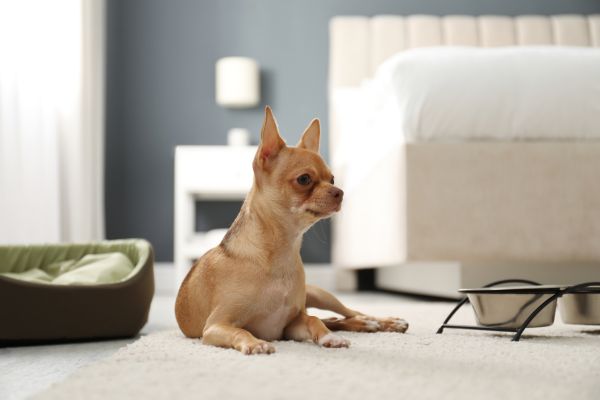
A family home with pets has its own rhythm. There are paws racing down hallways, water bowls spilling near the kitchen, muddy footprints appearing after rainy walks, and the occasional scratch caused by an excited turn around the sofa. Flooring in this kind of home has to do more than look attractive. It needs to handle daily life without becoming a constant source of worry.
Choosing among the many pet-friendly flooring options can feel complicated because every material comes with trade-offs. Some resist scratches but feel cold underfoot. Others are comfortable and quiet but may absorb stains or odors. The right choice depends on your pets, your family’s routine, the rooms being renovated, and how much maintenance you are willing to manage.
The best floor is not necessarily the toughest one available. It is the surface that balances durability, comfort, appearance, safety, and realistic upkeep.
What Makes Flooring Suitable for Pets
Pet-friendly flooring should be able to tolerate claws, moisture, dirt, hair, and frequent cleaning. Dogs may scratch the surface while running, especially if their nails are long. Cats can track litter across nearby rooms. Older animals may have accidents, while young pets often spill food and water as they learn household routines.
Water resistance is especially important. A floor that absorbs liquid quickly can develop stains, odors, swelling, or damage beneath the surface. Even a small unnoticed accident may create problems if the material is highly porous.
Texture matters too. Very smooth floors can be difficult for older dogs or pets with joint problems. They may slide while standing up, turning, or walking quickly. A lightly textured surface usually provides better grip without becoming difficult to clean.
Color and pattern also affect how practical a floor feels. A solid dark floor may show light-colored fur, while a pale surface can highlight muddy footprints. Mid-tone colors, natural grain patterns, and subtle variations often disguise everyday mess more effectively.
Luxury Vinyl Offers Practical Everyday Durability
Luxury vinyl has become one of the most popular pet-friendly flooring options for busy households. It is resistant to moisture, relatively easy to clean, and available in designs that resemble wood, stone, or tile.
Its water resistance makes it useful in kitchens, family rooms, entryways, and other places where spills are common. Pet accidents can usually be cleaned without permanent staining, provided they are noticed within a reasonable amount of time.
Luxury vinyl is also softer and quieter than ceramic tile. This can make the home more comfortable for both pets and people, especially in rooms where animals spend much of the day. Many products have a textured finish that gives paws more traction than polished flooring.
However, quality varies considerably. Thin or poorly made vinyl may dent under heavy furniture or become scratched over time. A thicker wear layer generally offers better protection in a home with active dogs. Choosing a matte or textured finish can also make minor scratches less noticeable.
Porcelain Tile Handles Moisture and Heavy Use
Porcelain tile is exceptionally durable and highly resistant to water. It works particularly well in entryways, mudrooms, kitchens, bathrooms, and laundry areas where wet paws and spills are expected.
Unlike many natural materials, porcelain does not absorb odors easily. It can be cleaned frequently without much concern about damaging the surface. It also resists most scratches caused by pet claws, making it a sensible option for large or energetic dogs.
The main drawback is comfort. Tile can feel hard and cold, particularly during winter. Pets that sleep directly on the floor may prefer rugs, beds, or warmer areas of the house. The hard surface may also be less forgiving for older animals with arthritis.
Slip resistance deserves attention when choosing tile. Highly polished finishes can become slippery when wet. Textured, matte, or slip-rated porcelain is usually safer for pets. Grout should also be properly sealed because unsealed grout lines can collect stains and odors more easily than the tile itself.
Laminate Can Work When Chosen Carefully
Laminate flooring can provide the appearance of hardwood at a lower cost, and many modern versions are designed to resist scratches. It is often suitable for living rooms, hallways, and bedrooms in homes with pets.
The protective top layer helps reduce visible claw marks, while printed wood patterns can hide minor wear. Laminate is also fairly easy to sweep or vacuum, which is useful in homes where pet hair seems to gather almost immediately after cleaning.
Traditional laminate, however, does not respond well to standing water. Liquid can enter through the seams and cause swelling. Newer water-resistant or waterproof products perform better, but spills and accidents should still be cleaned promptly.
Noise is another consideration. Claws can create a tapping sound on laminate, particularly when the floor has been installed without a quality underlayment. A good underlayment can reduce sound, improve comfort, and make the floor feel more solid.
Engineered Hardwood Provides a Warmer Look
Many families love the appearance of real wood but worry about scratches and moisture. Engineered hardwood can offer a practical compromise. It has a genuine wood surface layered over a more stable core, which helps it handle changes in temperature and humidity better than some solid hardwood floors.
It feels warmer and more natural underfoot than tile, and it can add character to family spaces. Still, engineered wood is not completely pet-proof. Claws may leave marks, water can damage the finish, and repeated accidents may stain the surface.
Harder wood species tend to perform better in pet-friendly homes. Oak, hickory, and maple usually resist dents more effectively than softer woods such as pine. A matte or low-sheen finish is also more forgiving because it hides scratches better than a glossy surface.
Natural variation can be an advantage. Floors with visible grain, knots, or a slightly distressed finish tend to age more gracefully. Instead of every mark looking like damage, small imperfections blend into the character of the wood.
Bamboo Can Be Durable but Quality Matters
Bamboo is often discussed as a hard and practical flooring material, although its performance depends heavily on how it was manufactured. Strand-woven bamboo is generally denser and more scratch-resistant than traditional bamboo flooring.
Its smooth appearance works well in contemporary interiors, and it is relatively easy to clean. For families with pets, a textured or matte finish is preferable to a glossy one, which may reveal scratches and paw marks more clearly.
Bamboo still requires protection from moisture. Water bowls should be placed on washable mats, and accidents should be cleaned quickly. Cheaper products may scratch, dent, or react poorly to humidity, so durability should not be assumed simply because the label says bamboo.
It can be a good option, but it is worth looking closely at the construction, finish, warranty, and moisture resistance before making a decision.
Cork Feels Comfortable and Quiet
Cork flooring has qualities that are particularly appealing in homes with pets. It is softer than tile, naturally warm underfoot, and capable of absorbing sound. This creates a quieter surface for claws and a more comfortable floor for pets that like to lie down wherever the family gathers.
Its slightly springy feel may also be easier on the joints of older dogs. Cork has natural texture, which can provide better traction than polished surfaces.
The disadvantage is that cork can be damaged by sharp claws, heavy furniture, or prolonged moisture exposure. A strong protective finish is essential, and that finish may need to be refreshed over time.
Cork is often best suited to quieter rooms or households with smaller, less active pets. It may not be the ideal choice for an entryway used by a large dog returning from muddy walks, but it can work beautifully in a bedroom, office, or calm family room.
Carpet Offers Comfort but Requires More Upkeep
Carpet is warm, soft, and easy for pets to walk on. It provides excellent traction and creates a comfortable place for animals to rest or play. It also reduces noise, which can be valuable in multi-level homes.
Yet carpet is one of the more demanding pet-friendly flooring options. Hair, dander, dirt, stains, and odors can settle into the fibers. Accidents may reach the padding beneath the carpet, where cleaning becomes more difficult.
Low-pile carpet is generally more practical than deep or looped styles. Claws are less likely to catch in short, dense fibers, and vacuuming is easier. Stain-resistant materials and removable carpet tiles can also make maintenance more manageable.
Carpet may be appropriate in bedrooms or low-traffic spaces, but many families avoid it in dining rooms, entryways, and areas where accidents or spills are more likely.
Choosing Flooring for Different Rooms
The same flooring does not have to be used throughout the entire home. In fact, combining materials can create a more practical result.
Porcelain tile or waterproof vinyl may make sense near exterior doors, where pets enter with wet paws. Luxury vinyl can work well in kitchens and family rooms because it handles spills and regular cleaning. Engineered hardwood may be reserved for formal or quieter spaces, while carpet can add softness to bedrooms.
Transitions between materials should be smooth and secure. Raised edges can become tripping hazards for both children and pets. Rugs can help add warmth and grip, but they should have non-slip backing so they do not slide when a pet runs across them.
Thinking room by room allows families to focus on how each space is actually used rather than searching for one perfect material that must solve every problem.
Maintenance Is Part of the Decision
Even the most durable flooring needs regular care. Keeping pets’ nails trimmed can significantly reduce scratches. Placing absorbent mats beneath food and water bowls helps prevent moisture damage. Entry mats can catch dirt before it spreads across the home.
Frequent sweeping or vacuuming prevents grit from acting like sandpaper under paws and shoes. Cleaning products should be compatible with the flooring material and safe for animals once dry. Strong fragrances or harsh chemicals are not always necessary for everyday cleaning.
It is also helpful to keep a small amount of leftover flooring after installation. Spare planks or tiles can make future repairs easier, especially if the original style is later discontinued.
Finding a Floor That Fits Real Family Life
The best pet-friendly flooring options are the ones that make daily life easier rather than more stressful. A beautiful floor loses some of its appeal when every paw print causes anxiety. At the same time, durability alone should not create a home that feels cold, noisy, or uncomfortable.
Luxury vinyl and porcelain tile are strong choices for moisture and heavy traffic. Laminate offers affordability and scratch resistance when water-resistant products are selected. Engineered hardwood brings warmth and authenticity, while cork and carpet provide comfort in rooms where softness matters more than maximum toughness.
Every pet leaves a small mark on the home, sometimes literally. The goal is not to create an untouchable space. It is to choose flooring that can handle movement, mess, play, rest, and the everyday signs of a home being fully lived in. With the right material and a realistic maintenance routine, families can enjoy both a welcoming interior and the animals that make it feel complete.
