
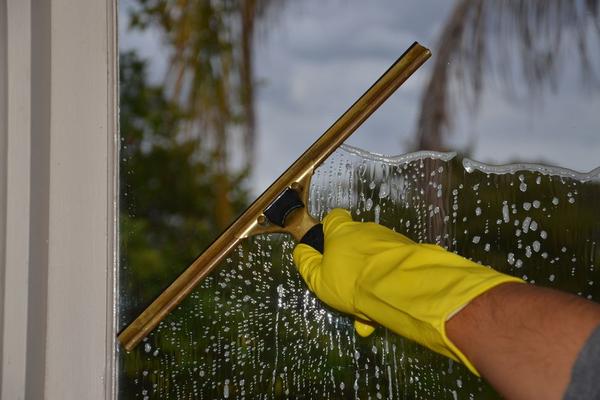
Freshly washed windows can look perfect from across the room, then reveal smears as soon as the sun shifts. Usually the problem is not that the glass is still dirty. Cleaning solution, loosened grime, or mineral-rich water has dried unevenly. Learning how to clean windows without streaks means controlling what goes onto the glass, how it comes off, and when you work.
The basic method works indoors and out, but each side has different challenges. Inside, fingerprints and cooking film are common. Outside, dust, pollen, and rain marks need attention before the final wipe.
Gather a Small, Effective Window-Cleaning Kit
You do not need a cupboard full of sprays for streak free windows. Start with two or three clean, lint-free microfiber cloths, a soft brush or vacuum attachment, a bucket, and a squeegee with a smooth rubber blade. Keep one cloth for washing and another dry for edges and finishing.
For a simple window cleaning solution, mix a few drops of mild dish soap into about one quart (one liter) of water. A little soap loosens grease; too much leaves a film. An appropriate ready-made glass cleaner also works. Check the manufacturer’s care instructions before using vinegar or stronger products, especially on coated or specialty glass.
Skip abrasive pads, metal scrapers, and newspaper. These may scratch surfaces, damage coatings, or leave residue. A worn squeegee blade can also create stripes, even when the cleaner is fine.
Prepare the Frame Before Touching the Glass
Brush or vacuum loose dust from the frame, sill, and track. Then wipe the frame with a damp cloth. Otherwise, the first pass across the glass may drag gritty dirt into your cleaning solution, creating more wiping work.
If tracks are packed with debris, tackle cleaning window tracks as a separate task before washing the panes. This matters after windy weather, when fine grit settles along the lower edge. Place a towel on indoor sills to catch drips. Outdoors, remove accessible screens if the window design allows it.
How to Clean Indoor Windows Without Streaks
Work in manageable sections
For a small indoor pane, lightly dampen a microfiber cloth with cleaner rather than saturating the glass. Wipe from top to bottom in overlapping passes, concentrating on fingerprints near handles. Avoid allowing dirty liquid to pool against wooden trim or seals.
Immediately follow with a second, dry microfiber cloth. Use straight strokes and turn the cloth to a fresh section as it becomes damp. If the cloth simply pushes moisture around, replace it. A dry finishing cloth often matters more than another squirt of spray.
Use a squeegee on larger panes
Lightly wash the pane with soapy solution, then position the squeegee at the upper edge. Pull it downward in a controlled stroke, overlapping the previous path slightly. Wipe the rubber blade with a clean cloth after every pass so it does not redeposit dirty water.
Dry the top corners, side edges, and lower frame. Leftover droplets along these borders can creep back across clean glass. If one streak remains, buff just that area with a fresh dry cloth rather than wetting the whole pane again.
How to Wash Exterior Windows Without Haze
Outdoor glass often needs an extra first pass. Brush away cobwebs and loose dirt, then gently wash with a soft sponge or microfiber applicator and mild soapy water. On accessible ground-floor windows, rinse heavy grime with a gentle flow of water before washing; avoid pressure washers, which can damage windows and seals.
Remove solution promptly with a squeegee, starting at the top. Overlap strokes and dry the edges. If you removed screens, let them dry before reinstalling them so trapped moisture does not leave fresh marks.
Never lean far out of an upstairs window or balance on an unstable ladder to reach exterior glass. Use an approved tilt-in cleaning feature if available, or arrange professional cleaning for areas you cannot reach safely.
Why Streaks Keep Appearing
Too much cleaning product
More soap does not mean cleaner glass. Heavy solution dries into cloudy bands, especially at the edges. Wash again with clean water if needed, then remove it promptly with a fresh squeegee or cloth.
A dirty or damp cloth
Microfiber that has picked up grease or fabric-softener residue can transfer a faint film back to the pane. Wash cleaning cloths without fabric softener, and reserve a truly dry one for finishing. Proper microfiber cloth care helps prevent this recurring issue.
Hard-water spotting
When droplets evaporate, minerals may remain as pale spots. Try a fresh-water rinse and immediate drying first. Persistent deposits may require a glass-safe treatment approved for your window. Follow product guidance rather than scraping, especially on coated glass. Removing hard water stains is best handled separately from routine washing.
Marks that are not surface dirt
If a cloudy patch remains after cleaning both sides, check the glass from different angles. Moisture or fog trapped between panes of an insulating-glass unit cannot be wiped away; it may indicate a seal problem that needs professional assessment.
Choose the Right Weather and Wiping Pattern
One of the most useful window washing tips is to clean when the pane feels cool. Direct sun can evaporate solution before you remove it, leaving streaks even with a good cloth. An overcast, dry day is ideal outdoors. Indoors, clean the shaded side first and follow the shade as it moves.
For example, if afternoon sun pours through a west-facing living-room window, washing it during peak sunlight may leave haze. Clean earlier while shaded, or return after direct sunlight passes.
To identify which side has a missed mark, use vertical finishing strokes inside and horizontal ones outside. The different directions help you locate a streak without repeatedly cleaning both surfaces.
Frequently Asked Questions
What is best for streak-free windows?
A mild, glass-appropriate cleaner paired with clean microfiber or a good squeegee is a reliable starting point. Removing the liquid before it dries matters more than using a complicated formula.
Can I use vinegar to clean glass windows?
Diluted white vinegar works on many ordinary glass surfaces, but it is not suitable for every special coating or frame finish. Check manufacturer instructions first, and never mix vinegar with bleach.
Why do my windows look cloudy after cleaning?
Common causes include excess soap, a dirty cloth, water minerals, or solution drying too quickly in the sun. If haze sits between panes rather than on either surface, cleaning will not remove it.
How often should I clean my windows?
Twice a year is a practical baseline for many homes, with spot-cleaning as needed. Windows near busy roads, coastal salt spray, or frequent dust may need attention more often. Follow the manufacturer’s maintenance guidance.
A Clearer View With Less Rework
Streak-free results are mostly about sequence: remove dust first, use modest amounts of cleaner, work on cool glass, and dry each section immediately. Keep tools clean and treat edges as carefully as the center. Once the routine becomes familiar, both indoor and outdoor windows need fewer repeat passes.
