
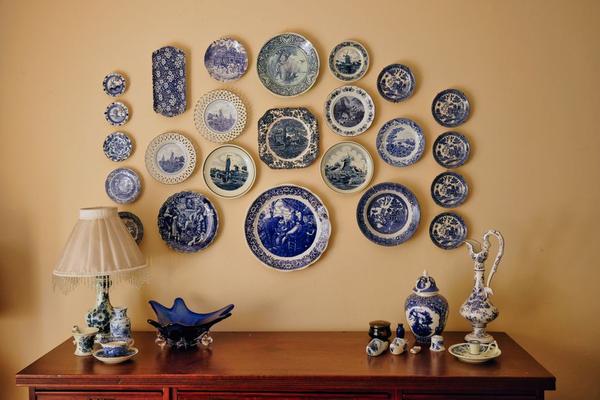
In 2026, the most compelling interiors are moving away from rooms that look perfectly staged but could belong to anyone. Instead, people are creating homes that feel warmer, more layered and unmistakably personal. Curating personal collections as home decor fits naturally into this shift. Objects gathered through travel, family life, hobbies or everyday discoveries can give a room character that cannot be copied from a showroom.
The key is not to display everything at once. Thoughtful curation turns meaningful objects into a visual story. Whether your collection includes ceramics, books, records or inherited pieces, the aim is to make it feel intentional while preserving what makes it special.
Why Personal Collections Make a Home Meaningful
A well-designed room needs more than coordinated furniture and a polished colour palette. It also needs signs of the people who live there. Collections provide that human layer. They reveal interests, experiences and personal history, helping a space feel lived-in rather than simply decorated.
This is why meaningful home decor often has greater impact than trend-led accessories. A holiday bowl or family book collection may not be expensive, but each object carries a connection. Displayed with care, these pieces become part of the room’s atmosphere.
Start by Editing, Not Displaying
Successful personal decor styling begins with selection. Gather the collection in one place and look at it as a whole. You may notice repeated colours, shapes, materials or themes that were not obvious before. These patterns can guide the arrangement.
Choose objects that are visually interesting, emotionally important or both. Pieces that no longer appeal to you do not have to remain on display simply because they belong to the collection. Store some items and keep a smaller group that represents the collection at its best.
Create a Clear Visual Connection
A collection does not need to be perfectly matched, but it should have a reason for being seen together. The link might be colour, origin, function, age, texture or subject. Mismatched blue-and-white ceramics, for example, can feel cohesive because the palette connects them. When the relationship is clear, even an eclectic group looks considered rather than cluttered.
Choose the Right Place
The location should suit both the objects and the way the room is used. Small, detailed items are best placed where they can be viewed closely, such as on a console, picture ledge or glass-fronted cabinet. Larger pieces may need a mantel, open shelving unit or dedicated section of wall.
Consider practical concerns too. Keep delicate objects away from busy walkways, direct sunlight, moisture and heat. In a family home, breakable pieces may be safer above eye level or behind glass.
Use the Architecture You Already Have
Alcoves, built-in shelves, picture ledges and unused wall sections can become natural display zones. A narrow landing can hold a gallery of small artworks, while the top of a low bookcase can provide a calm setting for sculptural objects. Working with the architecture makes the collection feel integrated rather than added as an afterthought.
Build a Balanced Arrangement
Good displays combine order with variation. Start with one or two anchor pieces, then arrange smaller objects around them. Vary height, shape and scale so the eye moves across the display. A stack of books can lift a small item, while a tray can visually group several pieces into one composition.
Leave empty space around the collection. Negative space allows individual objects to be noticed and prevents the arrangement from becoming visually tiring. This is especially important in collected interiors, where layers add charm but overcrowding can hide the qualities of each piece.
Use Simple Styling Principles
Groups of three or five often feel naturally balanced. You can also arrange objects so their heights form a loose triangle, with the tallest item near the centre or slightly off-centre. These are useful starting points, not strict rules. The final display should feel relaxed and personal rather than mathematically perfect.
Give Everyday Collections a Decorative Role
Not every collection needs to sit behind glass. Useful items can become part of the decor when stored attractively. Cookbooks can fill open kitchen shelves, woven baskets can hold blankets, and favourite records can sit beside a turntable. A collection of hats, cutting boards or handmade textiles can add texture while remaining easy to use.
This works particularly well in smaller homes because storage and decoration share the same space. The result feels practical and expressive.
Connect the Collection to the Room
A collection should contribute to the overall design rather than compete with it. Pull colours from the objects into nearby cushions, artwork or paint choices. Repeat materials elsewhere, such as pairing brass collectibles with a brass lamp or placing natural finds near wood and linen.
Lighting also matters. A small picture light, table lamp or adjustable spotlight can give a display depth and make it feel important. Warm, gentle illumination usually enhances texture and creates a more inviting mood.
Rotate Pieces to Keep the Home Fresh
You do not need to show every item throughout the year. Rotating a collection prevents crowded surfaces and gives stored pieces a chance to feel new again. It also makes cleaning and reassessing easier.
Over time, your collection may change as new pieces are added and older ones become less relevant. A curated home should be allowed to evolve with you.
Common Mistakes to Avoid
One common mistake is spreading similar objects across too many unrelated areas, which weakens their impact. Grouping pieces usually creates a stronger statement. Another issue is using shelves with no variation in scale. Introduce height through books, stands or taller objects.
Finally, resist styling a meaningful collection so rigidly that it loses its personality. Symmetry can be elegant, but a slightly relaxed arrangement often feels more authentic. The goal is not perfection. It is a home that communicates who you are.
Frequently Asked Questions
How do I display a collection without creating clutter?
Edit it to a smaller group, leave space around the objects and use trays, shelves or cabinets to define the display area. Rotating pieces can also keep the arrangement manageable.
Should all items in a collection match?
No. Different styles and periods can work together when there is a visible connection, such as colour, material, subject or personal meaning.
What is the best way to display small collectibles?
Small objects work well on picture ledges, in shallow cabinets, on trays or grouped on a console. Raising a few pieces on books or stands helps them remain visible.
Can personal collections work in a minimalist home?
Yes. Choose a tightly edited selection and give it a dedicated area. A small, intentional display can add warmth without disrupting a minimalist layout.
Create a Home That Tells Your Story
Curating personal collections as home decor is about giving meaningful objects a place in everyday life. By editing carefully, choosing a suitable location and arranging pieces with balance, you can create displays that feel stylish without losing their emotional value. The best collections are not static or overly polished. They grow, change and reflect the person behind the home. That is what makes personal interiors memorable.
