
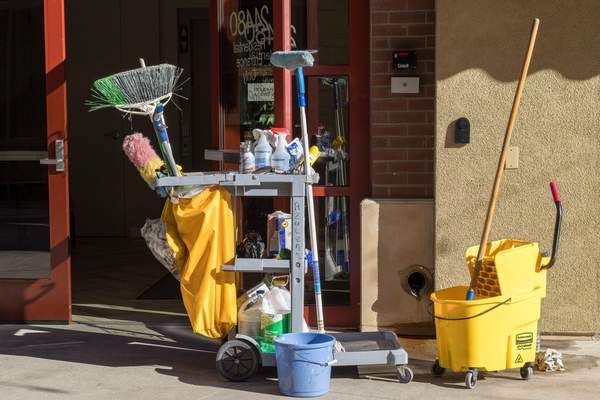
A whole house cleaning checklist works best when it is a route through your home, not a pile of chores in random order. Start with the areas that need soaking or laundry time, move from room to room, and finish with floors. This master list covers routine housekeeping tasks as well as the spots that quietly collect grime between deeper cleans.
Before You Start: Set Up a Cleaning Route
Open windows when weather and outdoor air quality allow, put on suitable gloves for the products you use, and carry a small caddy with cloths, an all-purpose cleaner appropriate for your surfaces, bathroom cleaner, a soft brush, rubbish bags, and a vacuum attachment. Keep separate cloths for toilets and food-preparation areas.
☐ Collect stray dishes, rubbish, and items that belong in other rooms.
☐ Strip beds and start a load of laundry, if needed.
☐ Apply suitable cleaner to sinks, showers, or stubborn kitchen grease, following the label’s contact-time instructions.
☐ Work from higher surfaces to lower ones, leaving vacuuming and mopping until near the end.
In a home with two bathrooms and three bedrooms, for example, start the washing machine, treat the bathroom surfaces, then tackle the bedrooms while the cleaner does its job. This avoids returning to the same room repeatedly.
Whole-Home Tasks to Check in Every Room
These jobs belong on almost every house cleaning checklist, so complete them as you enter each space rather than saving them for a separate round.
☐ Put misplaced belongings away and empty full bins.
☐ Dust accessible shelves, lamps, picture frames, and other surfaces from top to bottom.
☐ Wipe frequently touched handles, switches, and remote controls with a product safe for their materials.
☐ Check window ledges, skirting boards, corners, and visible cobwebs.
☐ Vacuum rugs and flooring, including reachable edges; mop hard floors using the correct method for the finish.
For routine home cleaning, detergent and water are generally sufficient on most ordinary surfaces. Disinfecting may be appropriate when someone is ill or a specific contamination risk exists; follow the disinfectant label rather than automatically treating every surface.
Kitchen Cleaning Checklist
The kitchen deserves extra attention because food scraps, grease, and moisture accumulate in different places. Clear the worktops first so you can reach the entire surface.
☐ Wash dishes or load the dishwasher; clean the sink and tap after use.
☐ Wipe counters, splashbacks, cupboard fronts, and appliance handles.
☐ Clean the hob after it cools; remove crumbs and splatters from the microwave.
☐ Check the fridge for expired food and wipe visible spills; clean door seals gently.
☐ Empty the food-waste bin, replace liners, and wipe the bin lid.
☐ Sweep or vacuum crumbs from beneath the table and accessible appliance edges, then mop.
For a deeper session, add the oven interior, extractor filter, and the inside of cupboards to your home cleaning list. A separate guide to cleaning a greasy oven can help when everyday wiping no longer works.
Bathroom and Toilet Checklist
Bathrooms benefit from a consistent order: clear toiletries, clean higher fixtures, then tackle the toilet and floor with dedicated supplies.
☐ Remove items from the basin and wipe the mirror, shelves, sink, and taps.
☐ Scrub shower walls, bath surfaces, and accessible grout with a suitable non-damaging cleaner.
☐ Clean the toilet bowl, seat, lid, flush handle, and surrounding surfaces.
☐ Wash or replace used towels and bathmats; empty the bathroom bin.
☐ Check for damp patches, slow drains, or leaking seals instead of covering the signs with fragrance.
☐ Finish by cleaning the floor, especially behind the toilet and near the bath.
Never mix bleach with other cleaning products, particularly ammonia-based or acidic cleaners. If limescale is persistent, look up a bathroom limescale removal method suited to your tap and tile materials.
Bedroom Cleaning Checklist
Room by room cleaning is easier in bedrooms when you clear the bed and furniture before reaching for the vacuum.
☐ Replace bedding and air pillows or duvets according to their care instructions.
☐ Put clothes in wardrobes, drawers, or the laundry basket.
☐ Dust bedside tables, headboards, lamps, and accessible shelves.
☐ Wipe mirrors and reachable window ledges.
☐ Vacuum beneath the bed where accessible and along floor edges.
Living Room and Dining Area Checklist
Living spaces often look clean until sunlight reveals dusty furniture, crumbs in the sofa, and fingerprints around doors.
☐ Return books, toys, and electronics to their usual places.
☐ Dust tables, shelves, TV stands, and picture frames; use screen-safe cleaning methods for displays.
☐ Lift sofa cushions and vacuum accessible seams and underneath.
☐ Wipe dining chairs and the table, paying attention to sticky edges.
☐ Vacuum upholstery or rugs as appropriate, then clean exposed flooring.
Hallways, Entryways, and Laundry Spaces
☐ Shake out or vacuum doormats; wipe reachable door handles and surfaces.
☐ Organise shoes, coats, bags, and post so walkways remain clear.
☐ Dust stair rails, vacuum stairs carefully, and clean the hallway floor.
☐ Wipe laundry-area surfaces and clear lint from the dryer filter after use, following appliance instructions.
☐ Check behind laundry baskets and near machines for moisture or debris.
Finish With a Five-Minute Walkthrough
Before putting supplies away, walk the same route once more. Check for missed crumbs, bins without liners, wet bathroom floors, and cleaning products left within children’s or pets’ reach. Return furniture and mats only when floors are dry.
How Often Should You Follow This Checklist?
Use high-traffic jobs such as dishes, kitchen counters, and visible spills daily. Most households can schedule a broader tidy, bathroom clean, dusting, and floor care weekly, adjusting for occupants, pets, allergies, and how quickly surfaces get dirty. Inside appliances, baseboards, windows, and hard-to-reach areas can be reviewed monthly or seasonally.
For a manageable schedule, pair this master list with a weekly cleaning routine and assign deeper tasks to one room each week. You will make steady progress without giving up an entire weekend.
Frequently Asked Questions
What is the best order to clean an entire house?
Declutter and start laundry first, clean high surfaces and fixtures next, work through kitchens and bathrooms, and finish with vacuuming and mopping. The exact room order can change, but floors should usually come last.
How long does whole-house cleaning take?
It depends on home size, condition, household needs, and whether you are doing maintenance or deep cleaning. Split the work into shorter sessions if a full clean does not fit your day.
What should I clean every week?
Focus on bathrooms, commonly used kitchen surfaces, bins, bedding as needed, dust-prone furniture, and frequently used floors. Adjust the frequency to what your household actually uses.
Do I need different products for every room?
No. A few surface-appropriate products and separate cloths are often enough. Always check product labels and material care instructions, especially for natural stone, wood, screens, and specialist finishes.
Make the Checklist Work for Your Home
A useful cleaning routine is repeatable, not perfect. Follow the room-by-room route, tick off the jobs that apply, and move occasional deep-cleaning tasks to another day. The result is a cleaner home and a plan you can maintain without starting from scratch each time.
