
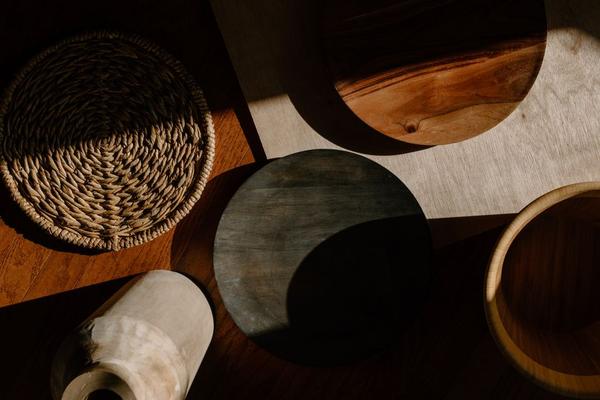
For years, decorating advice pushed one wood finish repeated everywhere. In 2026, interiors are moving toward a more layered look. Light oak still has a place, but it is increasingly paired with walnut, darker stains, vintage timber, and character-rich woods. Done well, mixed wood tones create contrast while keeping the warmth that makes natural materials appealing.
This shift also fits the continuing interest in biophilic design. Wood brings visible grain, variation, and a connection to natural materials, while mixing tones prevents that connection from becoming overly uniform. The goal is not an exact match but a relationship between the woods already in the room.
Why mixed wood tones feel right in 2026
Current wood furniture trends are expanding beyond pale finishes as the only default. Richer walnut, deeper brown stains, reclaimed pieces, and expressive grain are appearing alongside lighter oak and ash. That broader palette makes contrast part of the design rather than something to hide.
A dark dining table can give visual weight to a room with light floors. Pale oak chairs can stop walnut cabinetry from feeling too heavy. A vintage medium-brown sideboard can bridge the gap. Instead of matching every surface, the room develops a rhythm of light, medium, and dark.
Related reading: natural materials in interior design.
Start with the dominant wood already in the room
Identify the wood that is hardest to change. In many homes, that is the flooring, kitchen cabinetry, built-in shelving, exposed beams, or a large dining table. Treat this as the anchor rather than trying to disguise it.
If you have light white-oak floors, for example, you do not need a matching white-oak coffee table, console, dining set, and bookcase. The floor already provides plenty of that tone. A walnut coffee table or medium-toned vintage cabinet may create better balance by introducing a deliberate second note.
Look at undertone before lightness
Two woods can be very different in depth and still work beautifully if their undertones relate. Warm woods often lean golden, amber, orange, or reddish. Cooler finishes may look greyed, taupe, or slightly ashy. Neutral browns sit between the two.
Every piece does not need an identical undertone, but the overall mix should feel connected. Strongly orange and strongly grey woods can clash more than golden oak with warm walnut. When in doubt, compare samples in the actual room in morning and evening light.
Use contrast instead of near-matches
One of the most useful lessons in wood tone pairing is that an obvious difference is often easier to style than an almost-match. Two medium oak finishes that are slightly different can look accidental. A pale oak surface beside deep walnut reads as a clear design choice.
Imagine a living room with honey-toned oak flooring and a cream sofa. Instead of adding a coffee table in another similar honey finish, choose darker walnut. Repeat that deeper tone in a small frame, lamp base, or side table. The effect feels layered because the contrast appears more than once.
Keep competing finishes under control
Mixing woods does not mean using every finish available. Most rooms benefit from a clear dominant tone and one or two supporting tones. The exact number matters less than whether each finish has a purpose.
- Dominant tone: the largest or most visually present wood, such as flooring or cabinetry.
- Secondary tone: a contrasting wood on major furniture, such as a dining table, bed, or console.
- Accent tone: an optional third finish repeated through smaller furniture or decorative details.
A meaningful vintage piece in another finish does not ruin the scheme. Textiles, paint, stone, metal, and upholstery give the eye places to rest. A room should feel collected, not mathematically controlled.
Let grain and texture do some of the work
Colour is only one part of mixing wood. Grain and texture can soften contrast between light and dark finishes. A smooth walnut cabinet, open-grain oak table, and weathered vintage stool may coexist because their surfaces add depth rather than competing as flat blocks of brown.
This suits 2026 interiors, where character and visible material variation are gaining attention. Reclaimed timber, burl, hand-finished surfaces, and natural grain make a room feel more individual. Related reading: texture trends for 2026 interiors.
Balance dark woods with the rest of the palette
Deeper woods do not require a dark room. Walnut, espresso-stained oak, and other rich finishes often work best with lighter materials. Warm white walls, linen upholstery, pale rugs, natural stone, and daylight keep the room open while dark wood adds depth.
In smaller rooms, concentrate the deepest finish in one or two important pieces. In an open-plan space, darker wood can help define zones. A walnut dining table, for instance, can anchor the eating area while lighter oak furniture keeps the adjoining lounge relaxed.
A simple method for choosing a new wood piece
When adding furniture to a room that already contains several woods, use a quick three-step check:
- Identify the dominant existing wood and its undertone.
- Decide whether the new piece should blend, bridge, or deliberately contrast.
- Repeat the new tone elsewhere, even in a small detail, so it feels connected.
This makes shopping easier because you are looking for a role, not an exact stain name. Finish labels can vary widely between manufacturers. Related reading: 2026 furniture trends.
Common mistakes that make mixed woods feel accidental
The biggest problem is usually not contrast but lack of hierarchy. If every piece is a different mid-tone brown, nothing leads the eye. Near-identical finishes can also clash subtly. Another mistake is judging wood in a showroom without considering flooring, wall colour, and daylight at home.
Whenever possible, compare samples in the room. If a combination still feels disconnected, a rug, upholstered chair, painted piece, or metal accent may create enough visual separation to make the pairing work.
FAQ
Can you mix light and dark wood furniture in the same room?
Yes. Light and dark woods often create a clearer, more intentional contrast than several similar mid-tone finishes. Choose one dominant wood, repeat the contrasting tone, and pay attention to undertones.
Do all wood tones need the same undertone?
No, but related undertones are easier to combine. Warm golden oak and warm walnut usually transition naturally, while strongly orange and strongly greyed woods may need neutral textiles or another material between them.
How many wood tones should one room have?
There is no fixed rule, but two or three clearly defined tones are a practical starting point. More can work in layered or vintage-heavy rooms when finishes repeat and the overall palette has enough visual breathing space.
Are dark woods replacing light oak in 2026?
Not completely. Light oak remains versatile, but richer woods such as walnut and deeper stains are becoming more visible. The current look is often a mix of light and dark rather than choosing one extreme throughout the room.
Creating a collected look without losing cohesion
The useful direction for 2026 is not simply darker wood, but greater confidence with variation. Keep permanent surfaces in mind, choose deliberate contrasts, repeat important tones, and let natural grain provide character.
Wood mixing is about balance. With a dominant tone, clear contrast, and repeated finishes, light and dark woods can share a room.
