
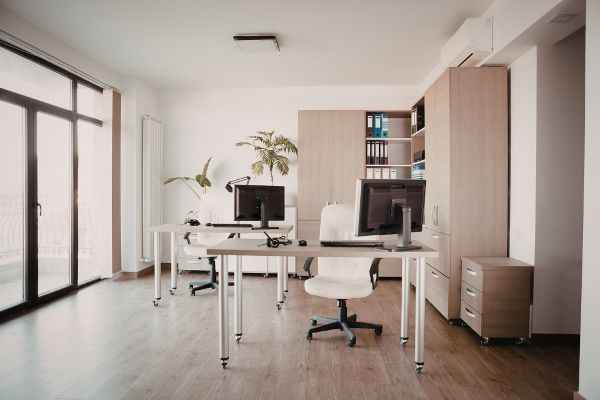
Working from home used to feel like a temporary arrangement. A laptop at the kitchen table, emails answered from the couch, meetings squeezed in between daily life. Then it quietly became permanent for many of us. As that shift settled in, the home office stopped being an afterthought and started feeling like a place that actually matters.
The challenge is that not everyone has a spare room waiting to be transformed into a Pinterest-perfect workspace. That’s where smart, realistic work from home office ideas come in. The goal isn’t perfection. It’s comfort, focus, and a setup that fits the way you actually live.
Understanding What You Really Need From a Home Office
Before thinking about desks or décor, it helps to be honest about how you work. Some people need silence and separation. Others thrive with a bit of background noise and movement around them. Your ideal setup depends less on trends and more on habits.
If most of your day is spent on video calls, lighting and camera angles matter more than storage. If your work is deep and solitary, minimizing visual clutter may be the priority. The best work from home office ideas start with observing your own routines, not copying someone else’s layout.
Making a Small Space Feel Purposeful
A small space doesn’t have to feel limiting. In fact, compact work areas can be surprisingly effective when they’re clearly defined. A narrow desk placed near a window, a floating shelf above it, and a chair you actually like sitting in can be enough to signal, “This is where work happens.”
The key is creating boundaries, even if they’re visual rather than physical. A change in wall color, a rug under the chair, or a lamp that only turns on during work hours helps your brain switch modes. When space is tight, intention does a lot of the heavy lifting.
Turning a Spare Room Into a Calm, Functional Office
If you do have a dedicated room, resist the urge to overfill it. A home office doesn’t need to justify its existence by being packed with furniture. Often, the most productive rooms feel slightly underdone.
Start with the desk placement. Facing a wall can reduce distractions, while facing a window can feel energizing if the view isn’t too busy. Storage should support your workflow, not dominate the room. Closed cabinets tend to feel calmer than open shelves if you’re prone to visual overload.
Lighting deserves real attention here. A combination of natural light, overhead light, and a focused desk lamp creates flexibility throughout the day. It’s one of the most overlooked work from home office ideas, yet it makes an immediate difference.
Blending Work and Home Without Losing Either
Many people work from home in shared spaces like living rooms or bedrooms. This can feel messy at first, but thoughtful design makes it manageable. The trick is blending your office into the room without letting it take over.
Furniture that doesn’t scream “office” helps. A desk that looks like a console table, a comfortable chair that doubles as seating, or storage that matches the room’s existing style keeps things cohesive. When work hours end, closing a laptop and pushing in a chair should feel like a clear transition.
This balance is less about hiding work and more about respecting the space you’re sharing it with.
Choosing Colors That Support Focus and Mood
Color affects how a space feels more than we often realize. Bright whites can feel clean but harsh if overused. Dark colors can feel cozy or heavy depending on light levels. Soft neutrals, muted greens, warm grays, and gentle blues tend to work well in home offices.
You don’t need to repaint an entire room to feel the impact. An accent wall, artwork, or even desk accessories can introduce color in a controlled way. One of the simplest work from home office ideas is adjusting color gradually until the space feels right rather than dramatic.
Furniture That Supports Your Body, Not Just the Room
A chair that looks good but hurts your back is a bad trade. Comfort doesn’t have to mean bulky or unattractive, but it does mean being realistic about how many hours you’ll spend sitting.
Desk height, screen level, and chair support all affect how you feel at the end of the day. Small adjustments, like raising a monitor or adding a footrest, can prevent long-term discomfort. When your body feels supported, concentration follows more naturally.
Storage That Reduces Mental Clutter
Paper piles, tangled cords, and overflowing drawers quietly drain attention. Good storage doesn’t need to be elaborate, but it should be intentional. Decide what needs to stay within reach and what doesn’t.
Hidden storage works well for items you use occasionally, while open storage can motivate you if it’s tidy and purposeful. The goal isn’t minimalism for its own sake, but clarity. One of the most effective work from home office ideas is simply making it easier to put things away than to leave them out.
Personal Touches That Keep the Space Human
A home office shouldn’t feel like a rented cubicle. Personal touches remind you that this is your space. A plant, a framed photo, a piece of art, or a meaningful object adds warmth without turning the room into a distraction.
The balance matters. Too many personal items can feel chaotic, while none at all can make the space feel temporary or cold. Choose a few things that make you feel grounded and let them earn their place.
Lighting That Adapts to Real Life
Natural light is ideal, but it’s not always available or consistent. Artificial lighting should fill the gaps without being harsh. Warm light feels inviting but may cause eye strain if it’s too dim. Cool light improves focus but can feel clinical if overdone.
Layering light sources allows flexibility. A bright desk lamp for focused tasks, softer ambient lighting for reading or thinking, and overhead light for general use create a space that adapts throughout the day. This is one of those work from home office ideas that quietly improves everything else.
Sound, Silence, and the Right Level of Noise
Some people need silence to focus. Others work better with background noise. Instead of fighting your environment, work with it. Noise-canceling headphones, a white noise app, or even a consistent playlist can create a sense of control.
Soft furnishings like curtains, rugs, and upholstered chairs also help absorb sound. If your office feels echoey or distracting, this simple adjustment can make it feel more contained and calm.
Evolving Your Home Office Over Time
A home office doesn’t need to be finished on day one. In fact, the best setups evolve. As your work changes, your space should change with it. Pay attention to what feels frustrating and what feels easy.
Maybe the desk feels too small, or the lighting is fine in the morning but terrible in the afternoon. Treat these observations as information, not failures. Refining your setup is part of the process.
A Thoughtful Ending to the Workday
The way you end your workday matters just as much as how you start it. A tidy desk, a turned-off lamp, or a closed door signals closure. These small rituals help separate work time from personal time, even when both happen under the same roof.
Good work from home office ideas support not just productivity, but balance. They make it easier to focus when it’s time to work and easier to let go when it’s not.
Final Thoughts on Creating a Home Office That Works
There’s no single formula for the perfect home office. What works beautifully for one person may feel completely wrong for another. The most successful work from home office ideas are grounded in real life, shaped by daily habits, and adjusted over time.
When your workspace supports how you think, move, and rest, work feels less like something you’re forcing yourself to do and more like something that fits naturally into your day. That’s when a home office stops being just a corner of your house and starts feeling like a place where good work actually happens.
